25 Beauty Business Ideas Worth Starting in 2026
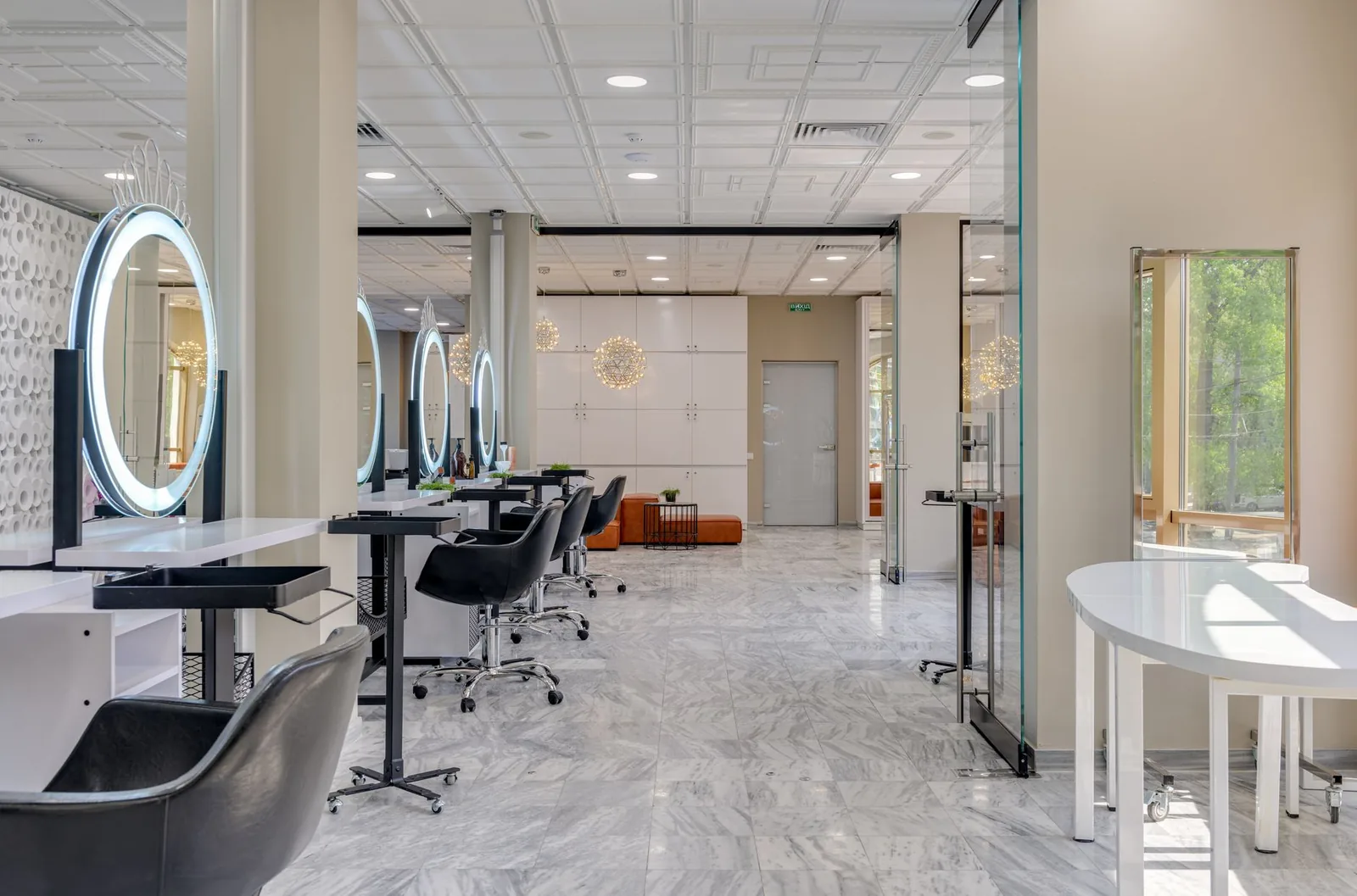
Every week I hear from stylists sitting on a chair full of talent but an empty booking calendar. They know how to cut, color, lash, wax — but the business side feels like fog. Which beauty concept actually pays rent, which ones burn cash on inventory, and what do you need running on day one so you don't answer DMs at 11 p.m.? Here are 25 ideas that hold up in 2026, with honest notes on demand, startup weight, and the systems you need before you take your first booking.
How to read this list
Before the ideas, three filters I'd run every concept through:
- Startup weight — light (under a few thousand dollars, mostly mobile or booth rent), medium (a small studio, some equipment), heavy (full buildout, multiple chairs, staff).
- Demand signal — is this something people search for and rebook, or a trend you'll chase for a season?
- Ops load — how much back-and-forth per client. A brow bar with 15-minute slots runs very differently from a balayage studio doing 4-hour appointments.
The businesses that survive the first year usually match the owner's actual life: a parent with school-age kids should not open a late-night lash lounge alone. Pick the shoe that fits.
1–8: Hair-focused businesses
Hair is the largest, most rebooked category in beauty. It's also the most competitive, so a clear niche beats "we do everything."
1. Mobile hair stylist. You drive to clients — weddings, elderly clients, busy professionals, film sets. Light startup: kit, insurance, a reliable car, and an online booking page tied to your travel radius. The biggest operational risk is scheduling gaps between houses, so build in travel buffers into every slot.
2. Independent color specialist (booth rental). Rent a chair in an established salon, focus on one thing — balayage, gray blending, corrective color, or vivids. Medium startup. Rebooking rates are strong when clients trust one specialist for their color.
3. Small-format hair salon (2–4 chairs). The classic. Heavier startup because of lease, chairs, backwash, and inventory. Where owners get burned: underestimating the front-desk load once you pass two stylists.
4. Barbershop. Still one of the best rebook cycles in beauty — men often come back every 2–4 weeks. A traditional shop with 3–4 chairs, walk-ins plus online booking, does well in almost every U.S. neighborhood that lacks one.
5. Men's grooming lounge. Barbering plus beard, scalp treatments, and grooming products. Higher ticket than a straight cut, appeals to a professional clientele who will book online and hate calling.
6. Kids' hair salon. Themed chairs, tablets, short service times. Parents will drive across town for a shop that handles a wiggly four-year-old well. Ops load is high (short slots, lots of scheduling) — you need a booking system, not a paper book.
7. Curly and textured hair studio. A specialty studio focused on curl patterns, dry cutting, and consultation-heavy services. Longer appointments, higher tickets, extremely loyal clients when done right.
8. Bridal and event hair. Weekend-heavy, seasonal, contract-driven. Light equipment, heavy client communication — trials, timelines, group bookings, deposits.
9–14: Skin, brow, and lash concepts
These niches have exploded because service times are short, tickets add up, and clients rebook every 3–6 weeks.
9. Brow bar. Threading, tinting, brow lamination, waxing. 15–30 minute slots, high volume, low product cost. A brow bar lives or dies on scheduling density — you cannot afford a 20-minute gap between clients.
10. Lash extension studio. Fills every 2–3 weeks means predictable recurring revenue. Two-hour appointments, so no-shows hurt badly — automatic reminders are not optional.
11. Waxing studio. Fast services, standardized menu, high rebook. A studio with 2 rooms and cross-trained staff can run at very high utilization if online booking is dialed in.
12. Facial and skincare studio. Focus on non-invasive facials, consultations, and a curated retail shelf. Keep claims honest and refer out anything clinical to a licensed professional.
13. Airbrush tanning studio (or mobile). Seasonal peaks (spring, prom, weddings, holidays). Mobile version is very light startup; studio version needs proper ventilation and a private booth.
14. Makeup artistry (bridal + events). Similar rhythm to bridal hair. Package deals, deposits, and a clear cancellation policy save your weekends.
15–20: Nails, body, and wellness-adjacent
15. Nail studio. Gel, structured manicures, nail art. Rebook cycle every 2–4 weeks. Small footprint, strong margins, but the ops load (short slots, lots of clients per day) demands real software.
16. Mobile nail technician. Home visits, office lunch-break manicures, event pop-ups. Light startup, geographic scheduling is the whole game.
17. Braiding salon. Long appointments (4–8 hours), specialty skill, loyal repeat clients. Deposits are essential because a no-show is a whole day lost.
18. Men's waxing / grooming studio. A growing category with less local competition than women's waxing in most markets.
19. Scalp care and hair loss consultation studio. Non-clinical services — scalp analysis, massage, product recommendation. Refer out anything medical.
20. Massage and body treatment studio. Adjacent to beauty, often bundled. Regulations vary by state, so check licensing before you sign a lease.
21–25: Hybrid, retail, and B2B ideas
21. Beauty concept store with services. Retail up front, a couple of service chairs in back — brow, blowout, or nails. Works in walkable neighborhoods where foot traffic funds itself.
22. Blow-dry bar. One service, done well, in 45 minutes. Membership models (a set number of blowouts per month) work in dense urban markets.
23. Multi-location micro-salon group. Three or four 2-chair studios across a city instead of one big salon. Lower risk per location, but you need a single system that shows you every location's calendar and numbers, not four separate spreadsheets.
24. Beauty education / training academy. Short-format classes for pros — color theory, lash mapping, business basics. Higher-ticket, event-style booking.
25. Product line (studio-adjacent). Aftercare oils, brow serums, styling tools sold through your own studio and online. Do not start here — start with a service business, build a client base, then launch product to them.
What every one of these needs from day one
I've watched dozens of beauty businesses open. The ones that survive year one share the same unglamorous foundation:
| Need | Why it matters |
|---|---|
| Online booking that works 24/7 | Roughly 40% of appointment requests come in outside business hours. If you're not open online, they book elsewhere. |
| Real-time calendar per staff member | Double-bookings kill trust faster than anything else. |
| Client records with visit history | You cannot deliver a personal service on the fifth visit if you don't remember the first four. |
| Automatic reminders | No-shows drop significantly when clients get an SMS or email 24 hours out. |
| A waitlist for cancellations | The chair that sits empty at 2 p.m. is pure lost revenue you can't get back. |
| Basic reports | Revenue per stylist, per service, per week. You cannot manage what you cannot see. |
Notice what's not on the list: a fancy logo, a website with parallax scrolling, or a $200/month POS with 400 features you'll never touch. Get the foundation right first.
Startup weight vs. ops load: a quick honest map
Not every idea is equal on effort. Rough grouping so you can match ideas to your life:
- Light startup, low ops load: mobile hair, mobile nails, bridal hair, airbrush tanning (mobile).
- Light startup, high ops load: brow bar (booth), waxing (booth), independent color specialist.
- Medium startup, moderate ops load: small hair salon, nail studio, lash studio, blow-dry bar, facial studio.
- Heavy startup, high ops load: multi-chair salons, multi-location groups, concept stores with services, academies.
If you're a solo operator, avoid heavy startup ideas in year one. The number of times I've seen someone sign a five-year lease for a six-chair salon before they had three regular clients — it's painful to watch.
The mistakes that sink new beauty businesses
A short, blunt list from watching openings go sideways:
- Taking bookings only by DM or phone. You will lose 30–50% of would-be clients who never hear back within the window they were willing to book.
- No deposit or cancellation policy on long services. A 6-hour braid no-show is a mortgage payment gone.
- Trying to be everything. "Hair, nails, brows, lashes, facials, waxing" in a 400-square-foot space with one person = burnout by month four.
- No client database. Every visit starts from zero. Clients notice, and they don't rebook with someone who forgets them.
- Guessing at the numbers. Not knowing your revenue per stylist per day means you cannot fix what's broken.
- Underpricing on opening. Discount pricing attracts discount clients. Raise later is much harder than "price fairly from day one."
- Ignoring the empty-chair problem. A cancellation an hour before the appointment is not a disaster if you have a waitlist and can offer the slot in one tap.
A realistic first 90 days
For most of the ideas above, the opening months look similar:
- Weeks 1–2: License, insurance, business registration, bank account. Space, mirror, chair, tools. Booking system live before you announce.
- Weeks 3–4: Photograph your work in the actual space. Build a public booking page linked from your Instagram bio and Google Business Profile. Set your service menu, durations, and prices — realistically.
- Weeks 5–8: First 20–30 clients. Every one goes into the client database with notes: what they had done, what they liked, what to change next time, when to reach back out.
- Weeks 9–12: Look at the first real report. Which service makes the most per hour? Which day is dead? Which client hasn't rebooked and needs a nudge? Adjust menu and hours from data, not gut.
If you can hit month three with a clean client database, reminders running automatically, and a booking page that fills your gaps overnight, you've built something that compounds.
Where Stylera fits in
Everything in the "day one" table above is what Stylera is built to be — the operational backbone under whichever beauty concept you pick. A public 24/7 booking page tied to real-time availability so clients book at midnight without waking you up. A calendar per stylist that respects working hours and never double-books. A full client profile with visit history, preferences, and notes so the tenth appointment feels as personal as the first. Automatic SMS and email reminders that quietly cut no-shows without you sending a single message. A waitlist that fills last-minute cancellations before the chair goes cold. And per-stylist, per-service reports so you're managing the business by numbers, not by vibes.
If you're launching a multi-location concept — say, three small studios across a city — you can run all of them from one account with a view of each. That's the difference between a scalable beauty business and three separate headaches.
Closing thought
Beauty is one of the few industries where a single motivated operator can go from booth rental to a multi-location group in a few years — but only if the business runs on systems, not on your phone battery. Pick a concept that matches your skill and your life, price it honestly, and put the operational plumbing in place before you take booking number one.
If you're ready to open the doors — or clean up the ones already open — you can give Stylera a free try and have your booking page, calendar, and client database running before the end of the day. That's the boring part handled, so you can focus on the part clients actually pay you for.
Frequently asked questions
What is the best beauty business to start in 2026 with a low budget?
The lightest-startup beauty businesses in 2026 are mobile-based concepts: mobile hair styling, mobile nail technician services, and mobile airbrush tanning. These typically require under a few thousand dollars for a kit, insurance, a reliable car, and an online booking page, without the burden of lease or buildout costs. Bridal and event hair or makeup also has low equipment needs, though it requires strong client communication. The key operational challenge for mobile concepts is geographic scheduling — building travel buffers between appointments so you don't lose money on gaps.
Which beauty services have the strongest rebooking rates?
Barbering has one of the best rebook cycles in the industry, with men often returning every 2–4 weeks. Lash extension studios also generate predictable recurring revenue with fills every 2–3 weeks, and nail studios see clients rebook every 2–4 weeks. Brow bars and waxing studios also enjoy high rebook rates every 3–6 weeks. These short cycles mean predictable revenue, but they also demand real booking software to handle high client volume efficiently.
How do I choose the right beauty business concept for my lifestyle?
Match the concept to your actual life, not just your skills. Evaluate three filters: startup weight (light mobile setup vs. heavy full buildout), demand signal (searched and rebooked services vs. seasonal trends), and ops load (short 15-minute brow slots vs. 4-hour balayage appointments). For example, a parent with school-age kids should not open a late-night lash lounge alone, while a stylist who loves long, detailed work might thrive in a curly hair or corrective color studio. Businesses that survive the first year fit the owner's real schedule and energy.
Why are deposits and cancellation policies critical for certain beauty businesses?
For services with long appointment times — such as braiding (4–8 hours), lash extensions (2 hours), or bridal hair and makeup — a single no-show can wipe out an entire day of revenue. Deposits protect against this by financially committing the client before the appointment. Automatic reminders are also essential, not optional, especially for lash studios and other long-format services. A clear cancellation policy, combined with deposits, is what saves weekends and profitability in event-driven or long-appointment beauty businesses.
What are the most underserved beauty niches with growth potential in 2026?
Several specialty niches have less local competition and strong loyalty: curly and textured hair studios, men's waxing and grooming, scalp care and hair loss consultation studios, and kids' hair salons. Men's grooming lounges that add beard, scalp treatments, and products also command higher tickets than traditional cuts. These specialty concepts attract extremely loyal clients willing to travel and pay premium prices because few competitors truly focus on their needs. The trade-off is that specialty services often require deeper training and consultation-heavy appointments.