What a Modern Salon Management System Looks Like in 2026
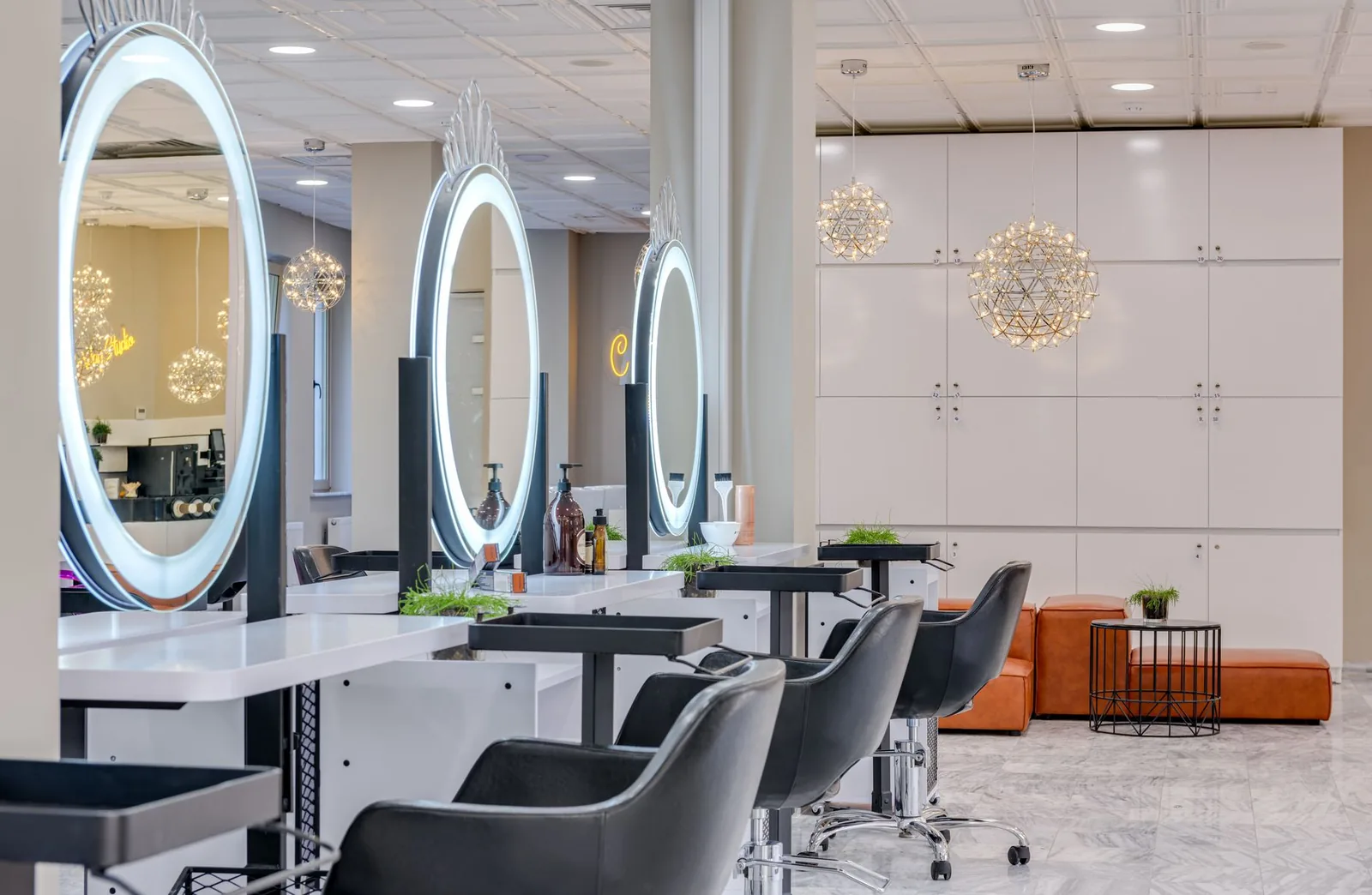
Three missed calls during a balayage, two clients double-booked on Saturday because the paper book and the DM bookings didn't agree, and a stylist who quietly walked out with her client list last month. If any of that sounds familiar, the issue isn't your team — it's that the salon is being run on five disconnected tools instead of one system.
A modern beauty salon management system pulls booking, clients, staff, inventory, and reporting into a single cloud-based platform. Below is what that actually looks like in 2026 — module by module — and where the time savings really come from. I'll use Stylera as a working example because it's built around exactly this stack.
What "modern" actually means in 2026
A modern salon management system in 2026 is cloud-based, mobile-first, and runs your booking page, calendar, client records, staff scheduling, inventory, and reports from one login — accessible from the front desk, a tablet at the station, or your phone at home. The defining shift isn't features; it's that everything updates in real time across every device, so the calendar your client sees online is the same calendar your stylist sees on her phone.
According to the U.S. Bureau of Labor Statistics, employment of barbers, hairstylists, and cosmetologists is projected to grow about 7% from 2023 to 2033, faster than the average for all occupations (BLS Occupational Outlook Handbook). More chairs and more independents means more competition for the same clients — and the salons winning that competition aren't the ones with the prettiest interior, they're the ones a client can book at 11 p.m. from bed without sending a single message.
A few baseline expectations a 2026 system should meet:
- Real-time availability across web, phone, and front desk — no manual sync.
- Self-service for clients — book, reschedule, cancel without calling.
- One source of truth for client history — not a paper card, not a stylist's phone.
- Owner reporting on a phone — not exported spreadsheets you never open.
- Works from anywhere — you should be able to check tomorrow's book from a coffee shop.
If your current setup fails two or more of those, you're not running a salon management system. You're running an appointment book with extras.
Module 1: Online booking and the calendar
The booking page is the front door of the salon now. A 2026 system gives every salon a public booking page tied to real-time stylist availability, so a client picks the service, picks the stylist, picks the time, and confirms — at 6 a.m. or midnight, without a phone call. Behind the scenes, that booking lands directly on the calendar and blocks the slot for everyone else.
Salesforce's State of the Connected Customer report found that 61% of customers prefer self-service for simple issues — and booking a haircut is about as simple as it gets (Salesforce Research). If your booking still requires a DM exchange, you're filtering out a real chunk of demand.
What the calendar side should do:
- Show each stylist's column with working hours respected — no bookings at 7 a.m. for someone who starts at 10.
- Block double-bookings automatically, including blocks for setup/cleanup time.
- Sync instantly across the front desk iPad, the owner's phone, and the public booking page.
- Let you drag-and-drop to reschedule when a client calls last-minute.
A practical example. A two-chair color salon used to take roughly 40 booking-related calls a week. After moving online booking live and adding the link to Instagram bio, Google Business Profile, and the SMS signature, about 70% of new bookings came in through the page within two months. The front desk stopped being a switchboard and started being a host again.
Set it up right:
- Put the booking link in your Instagram bio, Google Business Profile "Book" button, and email signature.
- Define realistic service durations — including processing and cleanup. A "color" that's actually 2h15 should not be set as 90 minutes.
- Set buffers between appointments for stations that need turnover.
- Decide on a cancellation window (24h is the common floor) and put it on the booking page.
Module 2: The client database (CRM) that actually gets used
A salon CRM is only useful if the people at the chair open it. The job of a modern client database is to give every stylist a one-screen profile with visit history, formulas, photos, allergies, preferences, and notes — pulled up the moment the client walks in. Not in a binder. Not in a stylist's personal phone.
What a good client profile holds:
| Field | Why it matters |
|---|---|
| Visit history | See cadence — is this client overdue, or drifting? |
| Services + spend | Know who your top 20% are without a spreadsheet |
| Formula / technical notes | Color, tone, developer, timing — repeatable results |
| Preferences | Coffee, no small talk, prefers afternoon, brings her kid |
| Photos | Reference for the next visit, especially for color and balayage |
| No-show / late-cancel count | Decide who needs a deposit going forward |
The business case is straightforward. Bain & Company's classic research found that increasing customer retention by 5% can lift profits by 25% or more (Bain & Company). In a salon, retention starts with the stylist remembering the formula and the conversation — and that only happens reliably if it's written down where they can find it again.
Independent stylist tip: even if you're solo, build the habit of logging two lines after every client — what you did and what the client said about it. Six months in, you'll have a memory you don't have to carry in your head.
Module 3: Staff and service management
In a multi-chair salon, staff scheduling is where most owners lose hours every week. The system has to handle each stylist's individual working hours, their personal service menu, their commission/price differences, and their time off — without you rebuilding the schedule every Sunday.
What this looks like in practice:
- Each stylist has her own services. The junior doesn't show up bookable for full balayage.
- Each stylist has her own hours and days off. Maternity leave, school pickup days, a Tuesday off — the calendar reflects it.
- Prices can vary by stylist. A senior colorist and a junior don't charge the same for the same service.
- Service menu changes (new treatment, retired service, price update) push to the booking page instantly.
A barbershop example. A four-chair barbershop with rotating shifts used to manage the schedule in a group chat. Every week, someone showed up on a day they weren't supposed to, or didn't show up on a day they were. Moving to a system where each barber set their own availability and clients booked directly to them cut the "who's working tomorrow?" conversation to zero. The owner stopped being the dispatcher.
Practical setup checklist for staff:
- List every stylist with their actual current services (audit this — old services hide in old systems).
- Set their real working hours, not the salon's hours. They're different.
- Mark holidays and pre-known time off for the next 60 days now.
- Decide who can see which calendar (each stylist sees her own; the owner sees all).
Module 4: Reminders, waitlist, and protecting the chair
No-shows are a tax on the salon. The American Express Spa & Salon Industry coverage and multiple operator surveys put salon no-show rates in the 10–20% range depending on segment and market. A modern system attacks this on two fronts: prevent no-shows before they happen, and refill the chair when a cancellation does land.
Automatic reminders — SMS and email — go out 24–48 hours before the appointment with a one-tap confirm or reschedule. The data on reminders is solid: a frequently cited industry stat shows automated text reminders can cut no-shows by roughly 38% versus no reminders (see summaries from healthcare and service-industry studies on appointment reminder effectiveness). Even a conservative read — half that — is real money on a Saturday.
Waitlist and last-minute booking does the other half. When a 2 p.m. cancellation comes in at 11 a.m., the system:
- Flags the slot as open.
- Offers it to clients on the waitlist who match the service.
- Or surfaces it as a last-minute opening on the booking page, sometimes with a small price incentive.
The chair refills itself while you're with the previous client. That's the entire game.
A small operational rule that helps: require card-on-file or a deposit for any appointment over a certain length (say, 2 hours). The booking page can enforce it. You'll lose a few price-shoppers and keep your Saturday full.
Module 5: Inventory, retail, and the part owners ignore
Inventory is the module owners avoid because it's tedious. Track it anyway. You don't need pharmaceutical precision — you need to know which retail products move, which colors you actually use, and when to reorder before you're out mid-service.
A workable approach in a 2026 system:
- Track only what matters. Retail SKUs (because that's revenue) and your top 10–15 color/treatment SKUs (because running out is a service problem).
- Set a reorder threshold per SKU. When stock hits the line, it shows up on a reorder list.
- Tie product sales to the appointment. If a client buys shampoo after her cut, it goes on the same ticket — and into her client record, so next visit you know what she uses at home.
- Count quarterly, not weekly. A 30-minute count every three months is more sustainable than a perfect system you abandon in week two.
The retail upside is real. Industry benchmarks consistently put retail at 10–15% of revenue in salons that take it seriously, and close to zero in salons that don't. That gap is almost always about whether the system makes it easy to ring up a bottle of conditioner at checkout.
Module 6: Reports the owner actually reads
The reporting module fails in most salons not because the numbers aren't there, but because they're buried in 14 reports nobody opens. A modern system surfaces the four or five numbers you actually run the business by, on a phone, every Monday morning.
The KPIs worth watching weekly:
| KPI | What it tells you |
|---|---|
| Revenue (week / month / YoY) | Are we growing or drifting? |
| Bookings count | Volume — separate from price changes |
| Revenue per stylist | Who's loaded, who has open chairs |
| Rebooking rate | % of clients with a next appointment on the books when they leave |
| No-show / late-cancel rate | Is the deposit/reminder policy working? |
| New vs returning clients | Is marketing pulling in new, and is the chair keeping them? |
One owner habit that compounds: every Monday, look at last week's revenue per stylist and rebooking rate. Not the full P&L — just those two. Within a quarter, you'll know which stylist needs help filling her column and which is bottlenecked and ready to train a junior.
For multi-location owners, the system should let you see each location separately and combined from one login. Otherwise you're running two businesses with one bank account and no shared view.
How Stylera fits this picture
Stylera is built as exactly this stack — cloud-based, accessible from any device, and designed so the modules talk to each other instead of sitting in silos. The 24/7 online booking page is tied to real-time staff availability, so the calendar your stylist sees and the slots a client sees online are the same thing. The client database carries visit history, services, preferences, and notes; automatic SMS and email reminders run in the background to cut no-shows; the waitlist and last-minute booking refills cancellations without anyone making a call. Staff and services management lets each stylist have her own hours, services, and pricing, and reports give you revenue, bookings, and per-stylist performance without exports. If you run more than one location, you can manage all of them from one account.
In practice that means the workflow described in this article — booking lands online, client profile opens at the chair, reminder goes out the day before, cancellation gets refilled from the waitlist, Monday morning you read three numbers on your phone — runs on one system instead of four. That's the whole point of a modern salon management system: less switching, more time at the chair.
Wrapping up
A modern beauty salon management system in 2026 isn't about more features. It's about fewer tools doing more of the boring work — answering "are you open Saturday?", reminding the client the day before, refilling the 3 p.m. that just cancelled, and handing the owner three numbers on Monday morning. The salons that adopt this stack don't necessarily work harder; they just stop losing time at the front desk and start spending it on clients.
If you want to see what this looks like for your salon, you can start your free Stylera trial at stylera.io/register and have your booking page live the same afternoon.
Frequently asked questions
What is a modern salon management system in 2026?
A modern salon management system in 2026 is a cloud-based, mobile-first platform that combines online booking, calendar, client records (CRM), staff scheduling, inventory, and reporting into a single login. Everything updates in real time across the front desk, stylists' phones, and the public booking page, so there are no sync gaps or double-bookings. It should be accessible from anywhere — front desk, tablet at the station, or the owner's phone at home. The shift from older tools isn't about more features, it's about one source of truth replacing five disconnected apps.
Why should a salon offer online self-service booking instead of taking bookings by DM or phone?
Self-service booking captures demand outside business hours — clients can book at 11 p.m. from bed without messaging anyone, which is when a large share of bookings actually happen. Salesforce research shows 61% of customers prefer self-service for simple tasks, and booking a haircut qualifies. In practice, salons that add a public booking link to their Instagram bio, Google Business Profile, and SMS signature often see around 70% of new bookings come through the page within two months. It also frees the front desk from being a switchboard so they can focus on hosting clients in the salon.
What information should a salon client profile (CRM) contain?
A useful salon client profile holds visit history, services and total spend, technical formulas (color, tone, developer, timing), personal preferences (drinks, conversation style, scheduling habits), reference photos, allergies, and a no-show or late-cancel count. The point is to give any stylist a one-screen view the moment a client walks in, so results are repeatable and the relationship feels personal. Visit history reveals whether a client is overdue or drifting away, and the no-show count helps you decide who should pay a deposit going forward. According to Bain & Company, lifting client retention by just 5% can increase profits by 25% or more — and retention starts with these notes being written down.
How do I prevent double-bookings and scheduling errors in my salon?
Double-bookings happen when multiple tools — a paper book, DMs, and an online calendar — aren't synced. The fix is a single cloud calendar where every booking channel writes to the same source in real time, with each stylist having their own column that respects their working hours. Configure realistic service durations that include processing and cleanup (a two-hour color should not be set as 90 minutes), and add buffer time between appointments for stations that need turnover. Drag-and-drop rescheduling and automatic blocking of taken slots eliminate the manual sync that causes most errors.
What baseline features should I expect from a salon management system in 2026?
At minimum, a 2026 system should offer real-time availability across web, phone, and front desk with no manual sync; client self-service for booking, rescheduling, and canceling; one unified source of truth for client history (not paper cards or a stylist's personal phone); owner reporting accessible from a mobile phone; and full cloud access so you can check tomorrow's book from anywhere. If your current setup fails two or more of these, you're running an appointment book with extras rather than a true management system. With U.S. stylist employment projected to grow about 7% from 2023–2033, competition is increasing, and the salons winning aren't the prettiest — they're the easiest to book.