Salon Software: How to Actually Choose in 2026
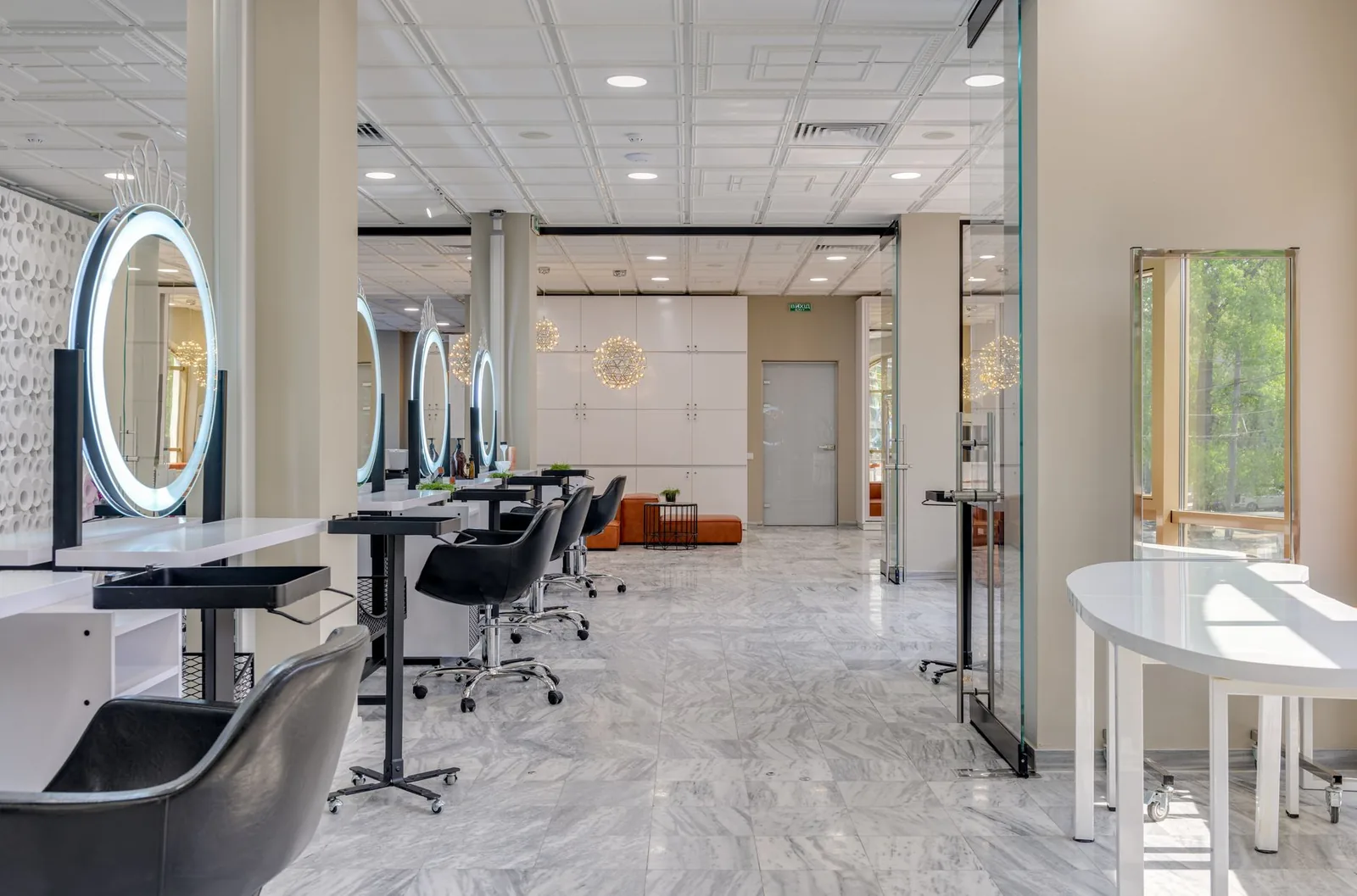
A stylist walks into your salon every morning and asks what's on the books. You pull out a paper appointment book—or open a spreadsheet—and realize two clients were booked into the same chair, someone called in sick, and the 3 PM slot has been empty since Tuesday because nobody followed up with the waitlist. Sound familiar? This is the daily chaos that pushes salon owners to look for software, and it's also why so many end up frustrated with tools that solve one problem while ignoring the rest.
Choosing salon management software shouldn't feel like a gamble. This guide breaks down exactly what to evaluate in 2026—booking, reminders, staff scheduling, client tracking, and reporting—so you can pick a tool that genuinely fits how your salon runs, whether you're a solo barber or managing multiple locations.
What Every Salon Actually Needs From Software in 2026
At minimum, a modern salon management tool should replace three things: the paper appointment book, the phone-tag booking cycle, and the sticky notes you use to track client preferences. If a software can't handle those three reliably, nothing else matters.
The core capabilities to look for:
- Real-time online booking — a public page clients can use without calling you
- Per-stylist calendar management — working hours, services, and break logic
- Automated client reminders — SMS or email, sent before the appointment
- A client database with visit history — so any staff member can pick up where the last visit left off
- Basic reporting — revenue, bookings, and per-stylist numbers
If a tool you're evaluating is missing any of these, it's not a management platform—it's a calendar app with extra steps.
Online Booking: The Feature That Pays for Itself
A 24/7 online booking page is the single highest-impact feature for most salons. Clients book when it's convenient for them—after work, late at night, on their commute—which means you capture appointments you'd otherwise miss entirely.
Here's what separates a good booking page from a useless one:
| What to check | Why it matters |
|---|---|
| Real-time availability | Prevents double-bookings automatically |
| Mobile-friendly design | Most clients book from their phone |
| Service-based duration logic | A color service should block more time than a trim |
| Stylist selection | Lets clients rebook their preferred person |
| Deposit or cancellation policy support | Filters out casual no-shows |
Concrete example: A solo barber in Montréal switched from phone-only booking to an online page and found that roughly 30% of new bookings came in outside business hours—9 PM to midnight, early mornings. Those were appointments he simply would never have captured before because nobody was answering the phone.
Red flag: If a booking tool requires clients to create an account with a password before their first appointment, abandonment will be high. Look for tools that let first-time clients book in under 60 seconds with just a name, phone number, and email.
No-Shows and Reminders: Where Software Earns Its Keep
No-shows are the most expensive problem in salon operations. A missed 90-minute color appointment doesn't just lose the service revenue—it leaves the chair dark, wastes product prep time, and throws off the rest of the day's rhythm.
Automated SMS and email reminders are the baseline fix. Industry research and practical salon experience consistently show that reminder systems meaningfully reduce no-show rates—often by 30–50% compared to no reminders at all. The most effective setup is two touchpoints: one 24–48 hours before the appointment, and a shorter one the morning of.
Beyond reminders, two features directly target the no-show problem:
Waitlist and last-minute booking — When someone cancels at the last minute, the slot is automatically offered to clients on a waitlist or listed as an open availability. Instead of an empty chair at 2 PM, the system texts three clients who wanted that time slot, and the first one to confirm takes it.
Cancellation policy enforcement — Some tools let you require a card on file or charge a fee for late cancellations. This doesn't need to be aggressive—even a clearly stated policy reduces casual flaking.
Practical tip: Track your no-show rate for two weeks before implementing reminders, then compare after 30 days of automated reminders. The number usually speaks for itself and helps justify the software cost.
Staff and Service Management: Beyond a Shared Calendar
If you run a multi-chair salon, staff management is where basic calendar tools fall apart and real salon software earns its place.
A proper staff management system lets you:
- Set each stylist's individual working hours and days off
- Assign service-specific durations (not everyone does a balayage in the same time)
- Manage the service menu and pricing in one place
- Handle commission or booth-renter setups without spreadsheet gymnastics
- View per-stylist calendars that respect breaks and limits
Common failure mode: A salon tries to use a generic calendar app (Google Calendar, Calendly, etc.) and quickly runs into the wall when two stylists offer the same service at different prices, or when a front desk person needs to rebook across three stylists during a busy Saturday.
What to look for specifically:
- Can a front desk person see all stylists' calendars side by side?
- Does the system prevent double-booking automatically?
- Can each stylist have their own service list and pricing?
- Can you restrict certain services to certain staff members?
- Does it handle multiple locations from one account?
If the answer to more than one of those is "no," the tool will become a bottleneck as the salon grows.
Client Database: The Competitive Advantage Most Salons Ignore
Every salon owner knows the value of remembering a client's preferences—their usual color formula, that they're sensitive to a certain product, that they prefer afternoon appointments. A proper client CRM turns that tribal knowledge into a system any staff member can access.
A useful client profile should include:
- Visit history — dates, services, and which stylist
- Notes and preferences — formulas, allergies, conversation topics, anything personal
- Spending patterns — total lifetime value, average ticket
- Booking behavior — how often they rebook, their preferred time slots
- Loyalty status — reward triggers based on visit count or spend
Why this matters for revenue: A returning client is significantly more profitable than a new one—you're not paying acquisition costs, and they tend to book higher-value services once trust is established. A CRM with loyalty features turns occasional clients into regulars by automatically rewarding repeat visits without the salon owner lifting a finger.
Concrete example: A five-chair salon started logging color formulas and client notes in their CRM. After six months, new front desk staff could confidently answer client questions about "the usual" without tracking down the stylist—clients felt recognized and valued, and rebooking rates went up.
Reports: Running Your Salon by Numbers, Not Gut Feel
If you can't pull up a report showing last month's revenue by stylist, your busiest service, or your no-show rate, you're managing blind. Good reporting turns salon ownership from guesswork into informed decisions.
The reports that actually matter day-to-day:
- Revenue — daily, weekly, monthly, with comparisons
- Per-stylist performance — bookings, revenue, utilization rate
- Service breakdown — which services drive the most revenue vs. take the most chair time
- Booking sources — online vs. phone, new vs. returning clients
- No-show and cancellation tracking — so you can spot patterns (certain days, certain times, certain clients)
How to use reports practically: Pull a weekly report every Monday. Look at which stylist had the highest utilization, which service is trending, and where the gaps are. Adjust the schedule or promotions accordingly. This takes ten minutes and directly impacts the bottom line.
Warning: Some tools bury reporting behind higher pricing tiers or make the dashboards so cluttered they're unusable. Before committing, check that the reports you need are included and that the interface is clean enough to actually use.
How Stylera Helps
Stylera was built specifically to solve the problems above. The core is a 24/7 online booking page tied directly to real-time stylist availability—clients book against actual open slots, so double-bookings are structurally impossible. Each stylist gets their own calendar with working hours, services, and pricing, and the front desk can see everyone at once.
Beyond booking, Stylera handles the full operational loop: automatic SMS and email reminders to cut no-shows, a waitlist system that fills cancelled slots automatically, a client CRM with full visit history and notes, built-in loyalty rewards for repeat clients, and revenue and per-stylist reporting. Multi-location salons can manage all their chairs from a single account. It's a complete salon management platform rather than a booking tool with gaps.
The point isn't that you need every feature on day one. It's that choosing software with the right foundation means you won't outgrow it when you add a chair, hire a new stylist, or open a second location.
Making the Decision
Start by listing your top three operational pain points right now. If it's no-shows, prioritize reminder systems and waitlist features. If it's front desk overload, focus on online booking quality. If it's staff scheduling chaos, look at calendar and service management depth.
Most salon software offers a free trial. Use it. Enter your real services, real staff, and real hours. Try booking an appointment as if you were a client. Pull a report. That hands-on test tells you more than any feature list or marketing page ever will.
When you're ready to give Stylera a free try, set up your service menu and staff schedule, share the booking page link with a few regular clients, and watch how the calendar fills. The tool should make your day easier from week one—or it's not the right fit.
Questions fréquentes
Quelles sont les fonctionnalités essentielles qu'un logiciel de gestion de salon doit absolument avoir en 2026?
Un logiciel de gestion de salon moderne doit au minimum remplacer le carnet de rendez-vous papier, le cycle de réservation par téléphone et les notes collantes pour les préférences clients. Les fonctionnalités de base indispensables sont la réservation en ligne en temps réel, la gestion de calendrier par coiffeur, les rappels automatisés par SMS ou courriel, une base de données clients avec historique des visites, et des rapports de base sur les revenus et le rendement par styliste. Si un outil manque l'une de ces fonctionnalités, ce n'est pas une plateforme de gestion complète, mais simplement une application de calendrier avec des étapes supplémentaires.
Comment la réservation en ligne peut-elle augmenter les revenus de mon salon?
Une page de réservation en ligne accessible 24/7 permet aux clients de prendre rendez-vous quand ça les arrange, souvent en dehors des heures d'ouverture, ce qui capte des rendez-vous qui seraient autrement perdus. Par exemple, un barbier solo à Montréal a découvert qu'environ 30% de ses nouvelles réservations arrivaient entre 21h et minuit ou tôt le matin. Il est crucial que la page soit optimisée pour mobile, qu'elle empêche les double-réservations automatiquement, et qu'elle permette aux nouveaux clients de réserver en moins de 60 secondes sans avoir à créer de compte avec mot de passe.
Les rappels automatisés réduisent-ils vraiment le nombre de clients qui ne se présentent pas?
Oui, les rappels automatisés par SMS et courriel sont la solution de base la plus efficace contre les absences, qui constituent le problème le plus coûteux en gestion de salon. L'expérience pratique montre que les systèmes de rappels réduisent les taux d'absence de 30 à 50% comparativement à l'absence de rappels. La configuration la plus efficace comprend deux points de contact : un premier rappel 24 à 48 heures avant le rendez-vous, et un plus court le matin même. Il est recommandé de suivre votre taux d'absence pendant deux semaines avant d'implanter les rappels, puis de comparer après 30 jours.
Pourquoi les applications de calendrier génériques comme Google Calendar ne suffisent-elles pas pour gérer un salon multi-chaises?
Les applications de calendrier génériques échouent rapidement lorsqu'il s'agit de gérer plusieurs coiffeurs offrant les mêmes services à des prix différents, ou lorsque la réceptionniste doit reprogrammer des rendez-vous entre plusieurs stylistes lors d'un samedi achalandé. Un véritable logiciel de salon permet de définir les heures de travail individuelles de chaque coiffeur, d'assigner des durées spécifiques par service, de gérer la commission ou la location de chaise, et d'afficher les calendriers de tous les coiffeurs côte à côte. Il doit aussi prévenir automatiquement les double-réservations et idéalement gérer plusieurs emplacements à partir d'un seul compte.
Comment un système de liste d'attente aide-t-il à remplacer les rendez-vous annulés à la dernière minute?
Un système de liste d'attente et de réservation de dernière minute offre automatiquement les créneaux libérés par les annulations aux clients qui désiraient cet horaire, au lieu de laisser une chaise vide. Par exemple, si quelqu'un annule à 14h à la dernière minute, le système envoie un SMS à trois clients sur la liste d'attente pour ce créneau, et le premier à confirmer obtient le rendez-vous. Combiné à une politique d'annulation qui exige une carte en dossier ou des frais pour les annulations tardives, même de façon non agressive, cela réduit considérablement les pertes de revenus liées aux absences et annulations de dernière minute.